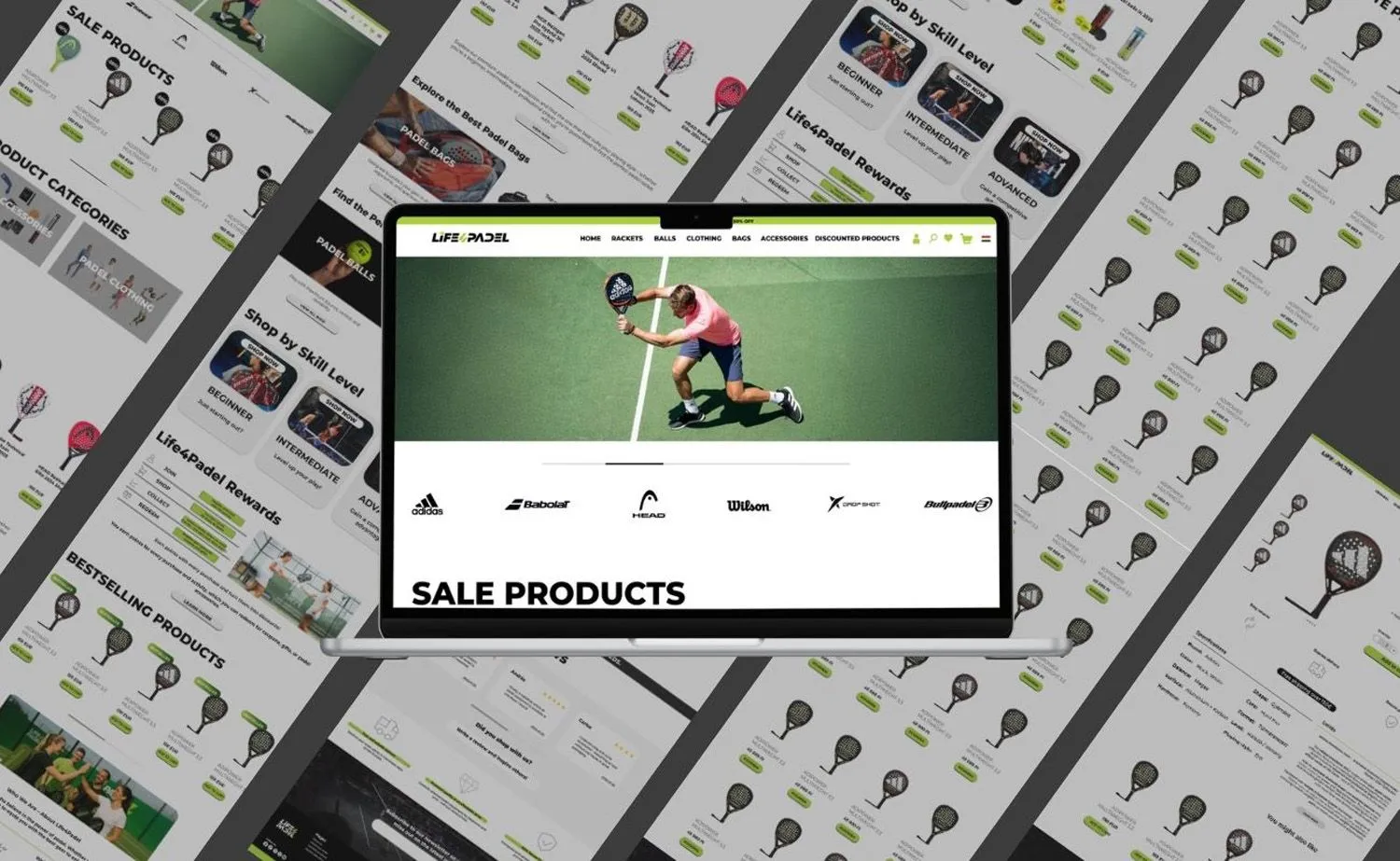

Discover the web design trends of 2024 and find out how to create a perfect website that is attractive and on trend.
WEBSITE DESIGN
Web design trends 2024: how to make your website perfect
An online presence is essential for staying competitive, which is why trends in web design keep changing and evolving. Responsive design, a better user experience and data protection all matter. Harmony between visuals and content is also key to an effective online presence. Innovation and creativity help businesses stand out from their competitors and become more successful.
1. Animations
Animations add playful, lively elements to websites and are essential for capturing visitors’ attention. With this in mind, when designing a website it is fundamental to strike the right balance between animations and readability. With the help of an experienced web designer, it is easier to choose animation effects that harmonise with the design and add to the user experience without distracting visitors from what matters.
2. Rounded or consistent design
When designing a website, it is not only visual appeal that matters but also that users can navigate it easily and efficiently. A consistent design serves this goal, since a consistent style and layout help visitors find their way and understand the structure of the site. Whether you go for rounded or sharper lines, the individual elements have to be in harmony so that the website is intuitive and easy to use. A well-designed, consistent look increases user satisfaction and improves the user experience, which in the long run can contribute to the website’s success and effectiveness.
3. Shadows and 3D effects
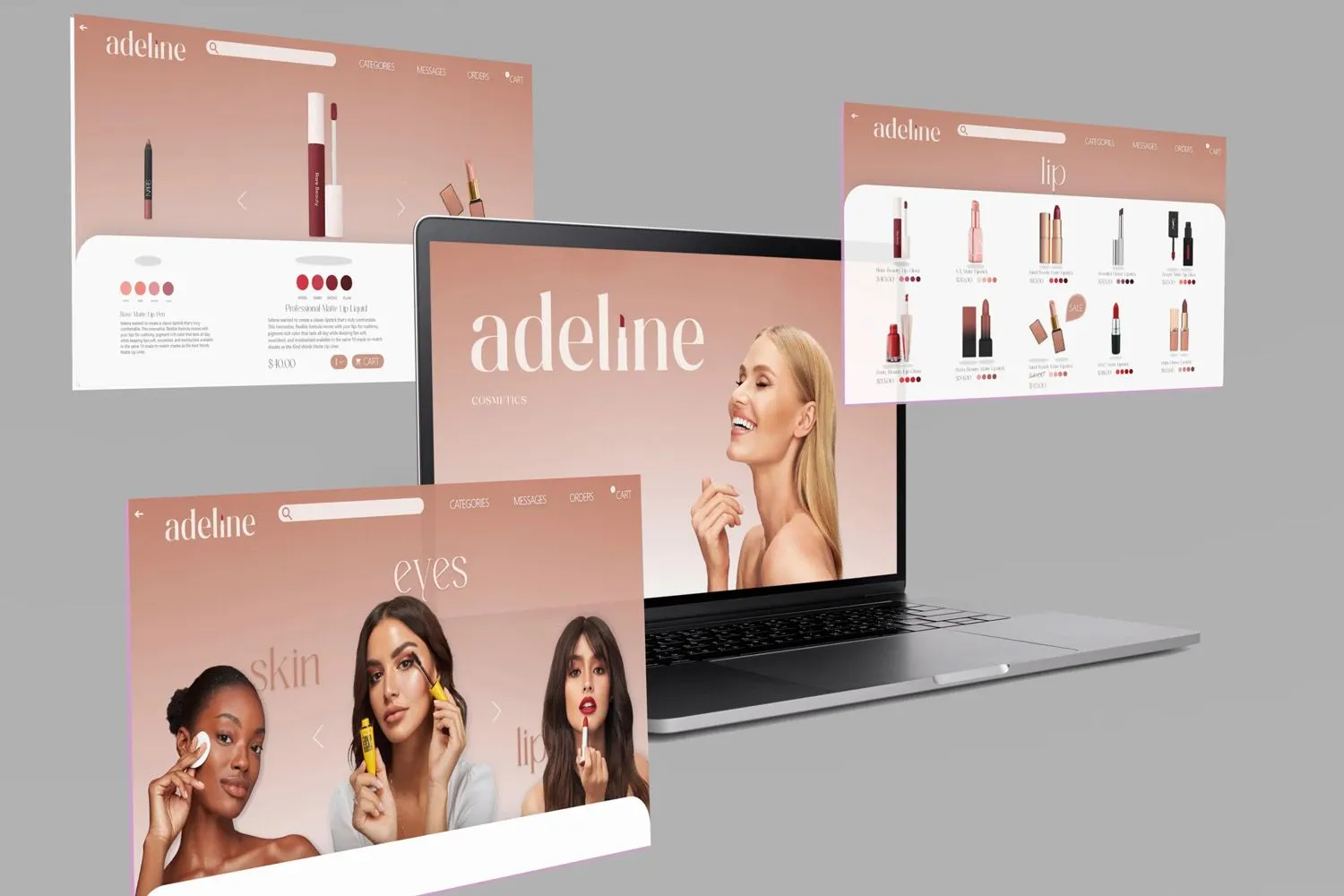
Shadows and three-dimensional effects are excellent tools in web design, as they add depth and texture to websites, making them more visually appealing and lifelike. Shadows can create a sense of space that helps users see the relationships and hierarchy between elements more easily.
However, it is important to find the golden mean when using shadows and three-dimensional effects. With too much or exaggerated shading, a page can easily look cluttered or heavy, distract visitors from what matters, or even bother them. Too many shadows and decorative elements can also increase the page’s loading time, which can hurt the user experience.
To get the best result, shadows and three-dimensional effects should be used deliberately and thoughtfully. Shading should help users understand the structure of the page and navigate it more easily, while fitting harmoniously into the overall design concept. Subtle shadows and moderately used three-dimensional effects are usually more effective and less distracting, while still adding to the page’s appeal and interactivity.
4. A clean yet exciting design
Combining a clean design with exciting visual elements can be the key to success in web design. The design should be simple and clear, yet include exciting elements that spark visitors’ interest and attention. When designing a website, it is a good idea to use visual solutions that are unique and memorable, so you can stand out from your competitors.
5. Mobile-friendly, responsive design
Browsing on mobile devices is indeed an increasingly dominant trend, and a significant share of users browse the internet on mobile devices every day. Accordingly, it is critical that websites are fully responsive, meaning they adapt to screens of different sizes and resolutions.
Responsive web design doesn’t just mean that the look of a page changes with the device’s screen size, but also that the content and design adapt to the specific features of mobile devices. This includes, for example, reorganising menus and navigation so they are easy to use on a touchscreen, and making fonts and buttons bigger so they are easier to tap.
Besides adapting to touch control, it is important that mobile-friendly websites are fast and efficient. Mobile users are generally less patient, and poorly performing pages can easily lose visitors. That’s why fast loading and optimal performance on mobile devices are especially important.
Websites that are not responsive and mobile-friendly can easily become outdated and fall behind their competitors. So switching to responsive design and building mobile-friendly websites is not just a fashion but essential for competitiveness and a better user experience.
6. Considering the target group
When designing a website, taking the needs and preferences of the target group into account is fundamental. Different age groups and demographics relate to web design elements and styles in different ways, so it is important to consider these differences during the design.
With a younger target audience, you can often experiment with bolder, more modern solutions. These users are usually more open to innovation and visual excitement, so they may appreciate design elements and interactive features that give the site momentum and make browsing fun. Vivid colours, dynamic animations and unusual layouts, for example, can attract them.
For older age groups, however, simplicity and clarity are the key to success. These users are generally less receptive to complicated design elements and intense animations, and prefer a website that is easy to take in, well organised and easy to navigate. A simple colour palette, clear navigation paths and clean, readable fonts can help offer a pleasant and usable experience to an older target group too.
Considering needs and preferences at every stage of the web design process is key to a successful result. Thorough research and understanding your target audience let you address users effectively and meet their expectations, increasing the site’s effectiveness and success.
Summary
These important considerations and guidelines can help you design and build a successful, effective website that stands out from your competitors and meets visitors’ needs and expectations. If you want a unique, professional solution, it is worth asking an experienced web designer for help with the design process. Don’t hesitate: get in touch with us today, and let’s start building your online presence together!