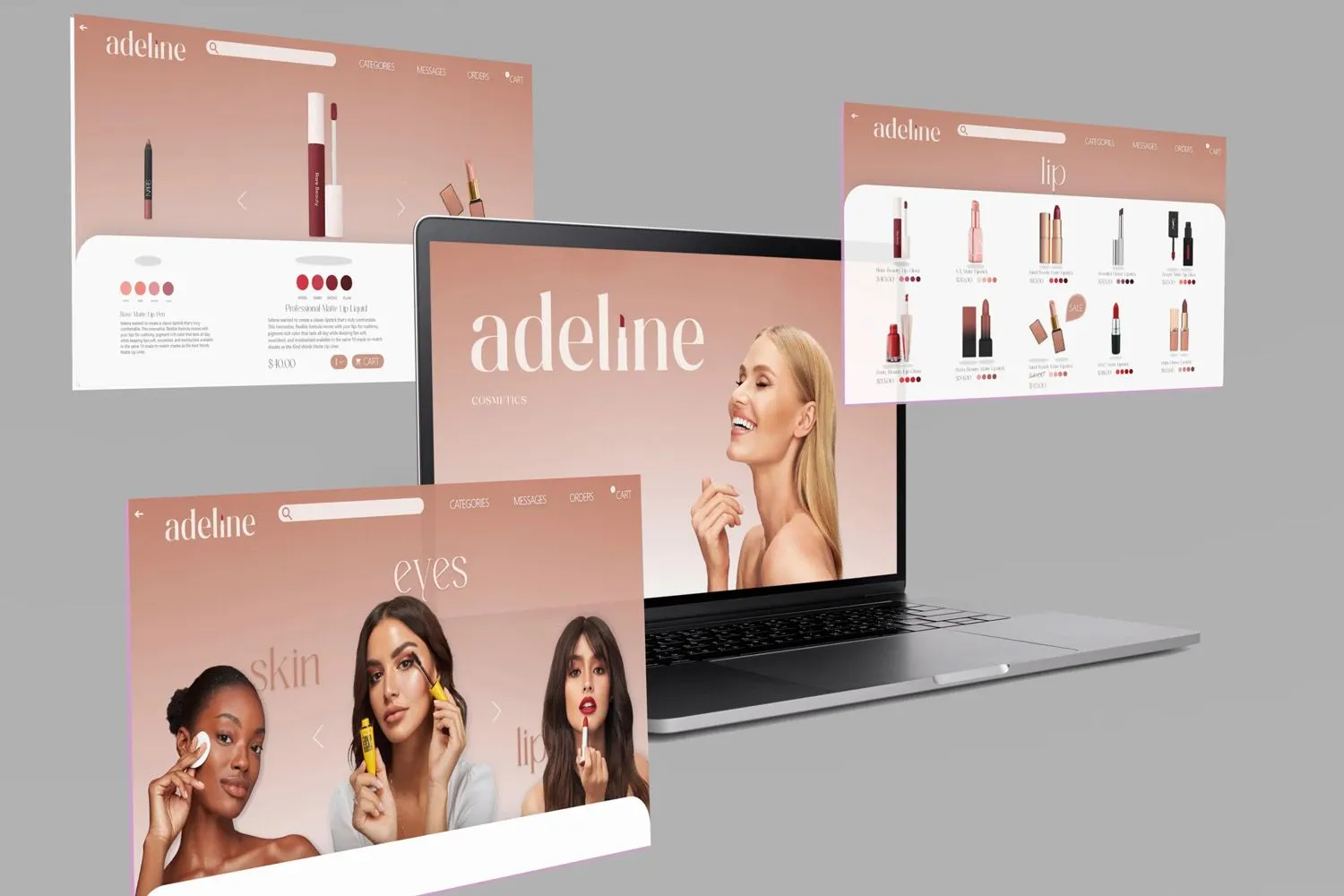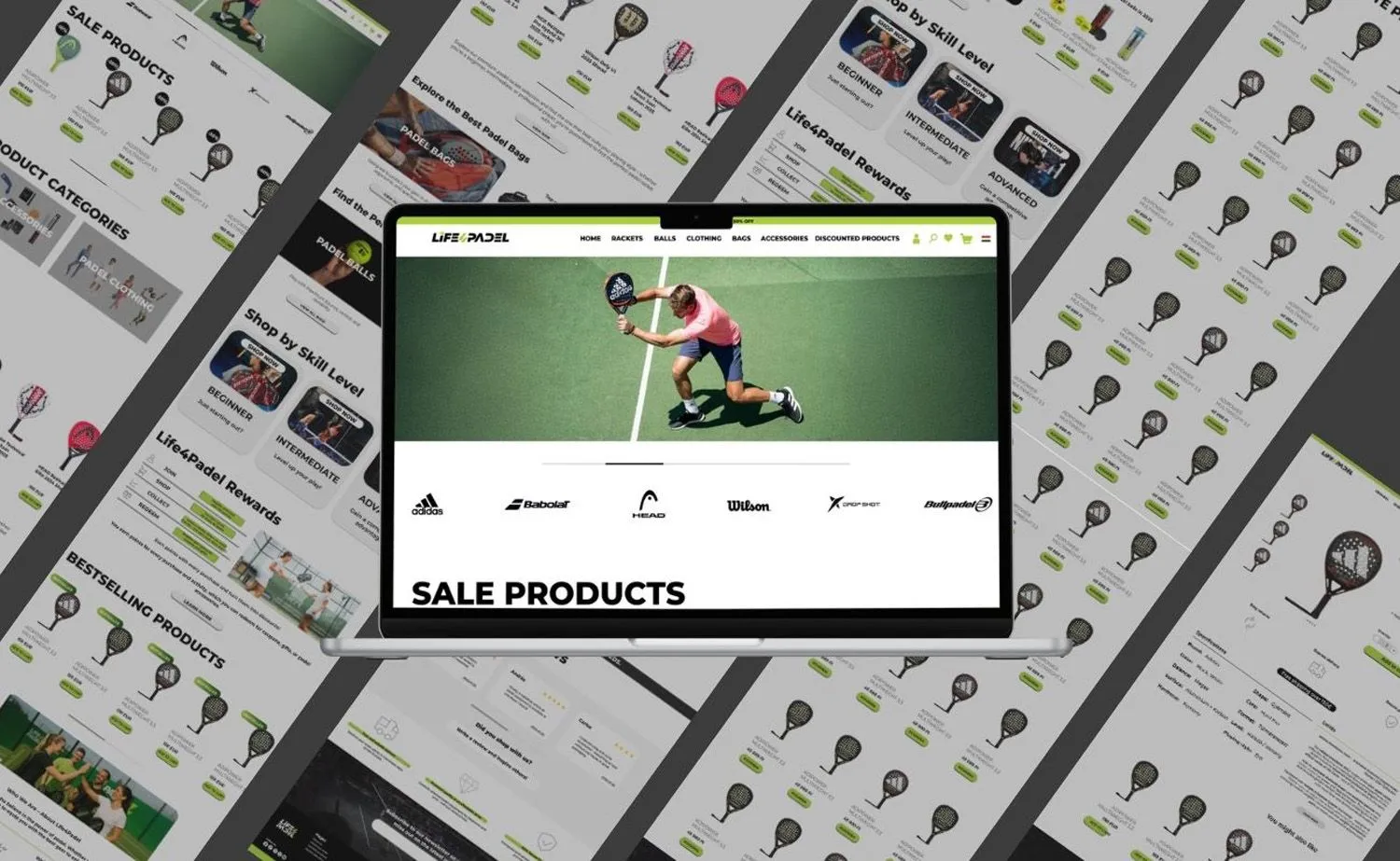

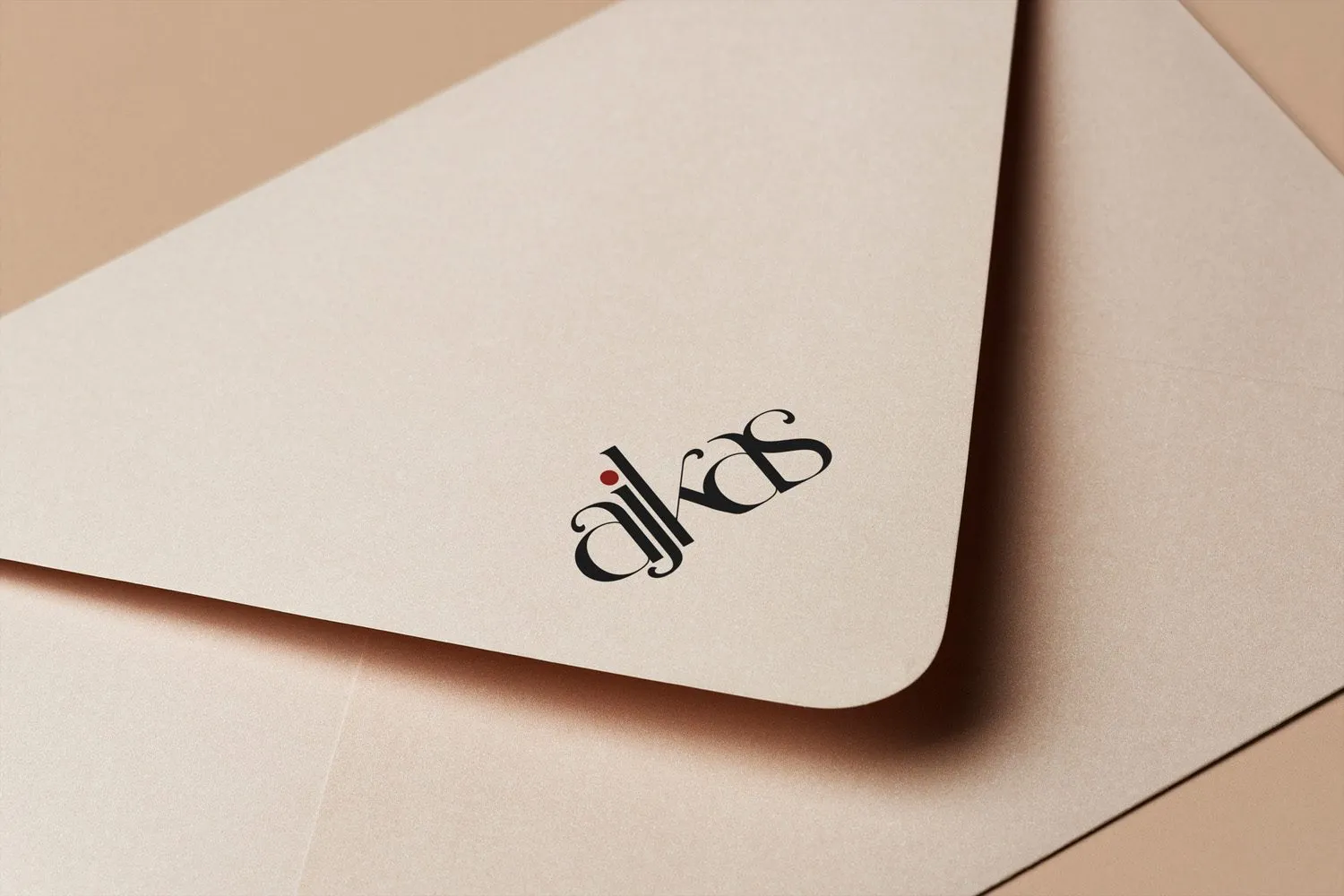
Not sure which logo to choose? We help you find the logo that is truest to your business and fits it best!
Graphic DESIGN
How do you choose a logo from the drafts?
The logo is the visual face of a business, and it shapes how the audience sees and values the brand. The power of the first impression is enormous: a well-designed logo can convey professionalism, reliability and uniqueness all at once. That’s why it is extremely important that designing and choosing a logo is a conscious decision that takes the brand’s values and the target audience’s needs into account. In this article we show what to pay attention to during logo design, so that the result is truly perfect and timeless.
First impression / gut feeling
The logo is the first thing the audience sees of the brand, and it is key to making a positive first impression. A well-designed logo builds a visual connection that instantly reflects the business’s values, style and uniqueness. If the logo is eye-catching and easy to understand, it helps people recognise the brand quickly and provides a strong foundation for long-term client relationships. Based on the first impression, the audience decides whether to keep showing interest in the brand.
Simplicity and recognisability
The secret of simple logos is that they are quick to recognise and easy to remember. Following the “less is sometimes more” principle, a unique yet clean detail, such as a distinctive symbol, helps the logo stand out while keeping it simple. It is also worth building in a small extra, a hidden reference that only becomes noticeable after looking at it for a while. Discreet elements or hidden messages like these offer a special experience and make the brand unique to the audience.
Considering the target audience
A logo is effective when it matches the taste and expectations of the business’s target group. When designing a logo, it is important to consider which visual elements, colours and styles resonate with the target audience. For example, if the target audience is young and dynamic, a modern, vibrant logo can be an advantage, while for an older or more professional audience a classic, elegant design may be the way to go. A purposefully designed logo helps the brand be easily identified and build an emotional connection with the audience.
Colours and typography
The psychological effect of colours and typefaces plays a significant role in conveying the logo’s message. Colours can trigger different emotional reactions (for example, blue can suggest reliability, green naturalness, red energy, love or hunger). Typography is just as important, since the style of the typeface strongly influences the mood of the message: a bold, modern typeface suggests determination, for instance, while a thin, elegant one suggests sophistication. Choosing the right colours and typography therefore helps communicate the brand’s message in a targeted way.
Timelessness
To make sure a logo stands the test of time, it is worth following timeless, classic design principles. Let’s avoid trendy elements that quickly go out of date and choose clean shapes and colours instead. A well-chosen, simple logo is easy to use across different media, so it doesn’t need constant updating. It is also important that the logo stays recognisable whichever direction the business develops in. Designing like this creates long-term value and strengthens the brand’s credibility.
Scalability
A logo’s scalability is crucial, since the brand appears on different surfaces and in different sizes, from a business card to a billboard. A well-designed logo has to be clear and understandable at every size. If the logo doesn’t scale, it can easily lose its effectiveness and fail to convey the brand’s message properly. Scalability ensures the logo can appear consistently in any medium, strengthening the brand’s identity and visibility.
Uniqueness and legal protection
A logo’s uniqueness is essential, because it helps set the brand apart from its competitors. An original logo not only makes the brand more identifiable but also provides legal protection against copying. To protect the logo legally, it is important to do thorough research during the design process to make sure it doesn’t resemble other brands’ logos. Registering a trademark is a further step that ensures the logo is legally protected.
Summary
The logo design process is key to a brand’s success. The first impression, simplicity, the target audience’s needs and the right choice of colours and typography all contribute to effective communication. Ensuring timelessness, scalability and legal protection helps keep the logo’s value in the long term. An original, unique logo not only makes the brand more identifiable but also protects it against competitors, strengthening the brand’s position in the market. Get in touch with us about logo design!
Order logo design together with your website design and get 10% off the price of the logo!